
Researchers from the MiFOOD Network at the Institute for Social Development (ISD) at the University of the Western Cape (UWC), Cape Town, South Africa, organised a momentous policy forum on March 26, 2026. The event brought together community leaders, researchers, service providers, individuals with policy backgrounds, and people with lived experience to translate emerging evidence on migrant food insecurity into practical and locally relevant actions. Supported by the Social Sciences & Humanities Research Council (SSHRC) and the Canadian Institutes of Health Research (CIHR), the policy forum marked the wrapping up of a multi-year CIHR-funded study examining how migrant and refugee households in South Africa, Canada, and Ecuador addressed food insecurity during and after the COVID-19 pandemic. The Cape Town policy forum focused specifically on the South African context.
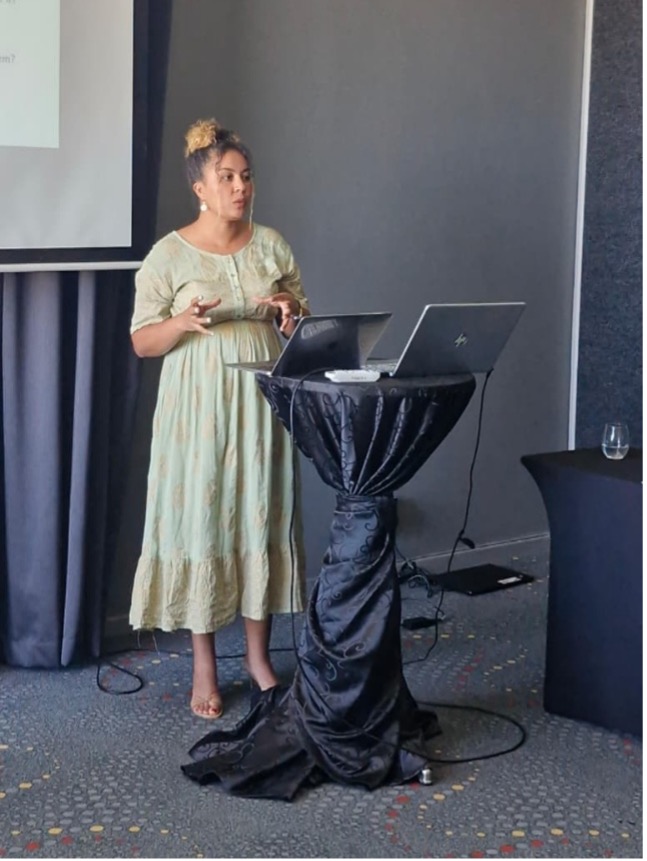
The policy forum, held at the Protea Hotel Tyger Valley, began with introductory remarks outlining the rationale and objectives of the three-year international study, delivered by Prof Mulugeta F. Dinbabo, MiFOOD Network researcher and South Africa team leader. Dr Sean Sithole subsequently presented the research context and findings regarding the impact of COVID-19 public health measures on food insecurity among marginalised refugees and migrants from Zimbabwe, Somalia and DRC in South Africa. This presentation offered a comprehensive overview of both global and local evidence, guiding the subsequent policy forum discussions. Prof Daniel Tevera concluded by offering insights into the importance of policy and research dissemination and proposing directions for future research.
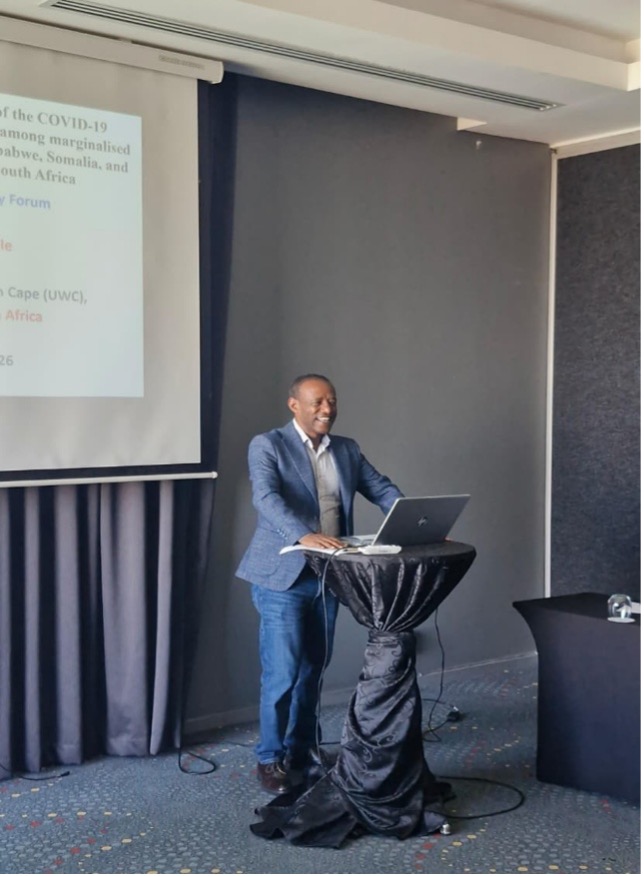
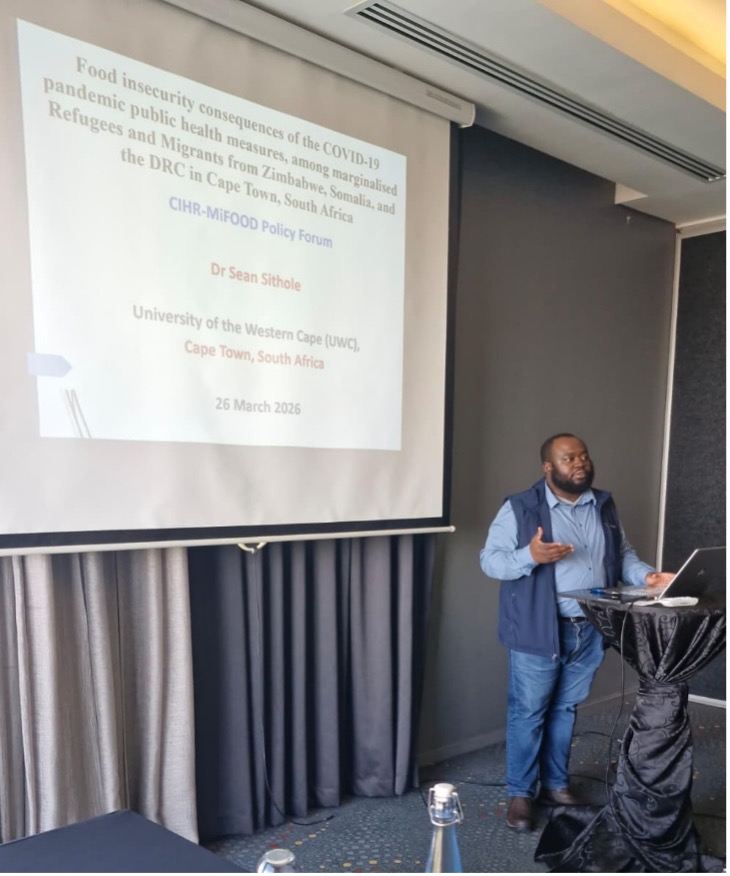
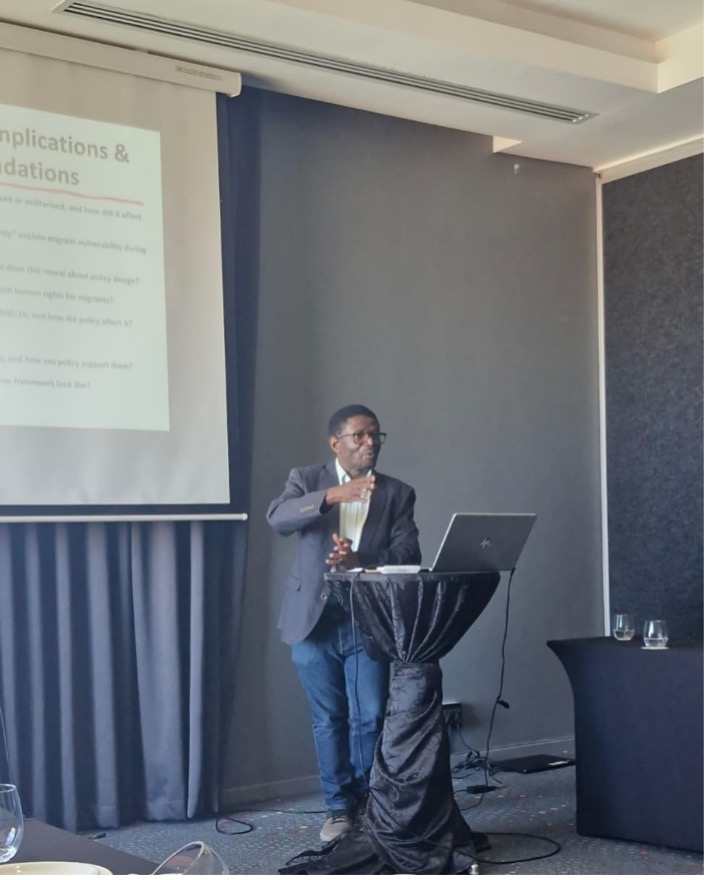
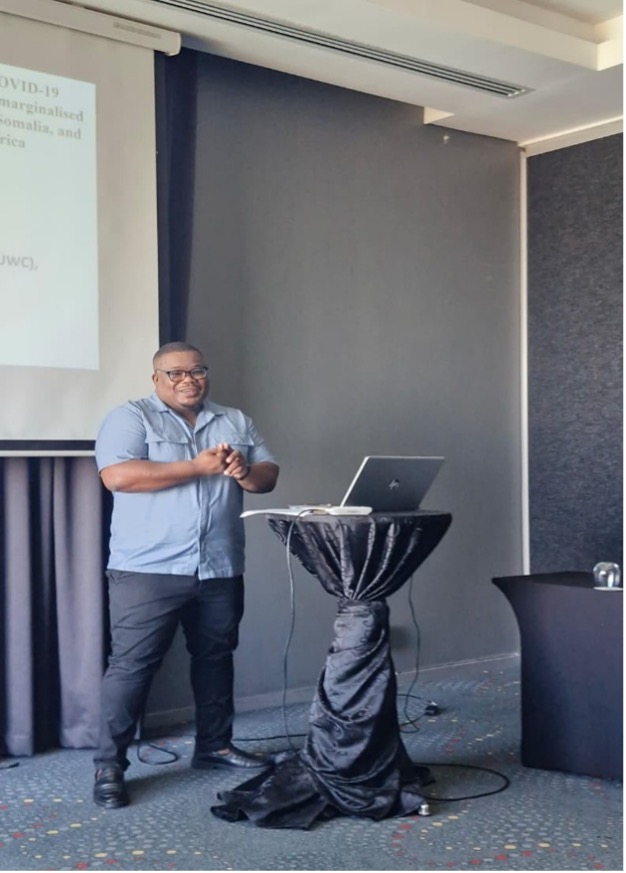
Broad Community Representation
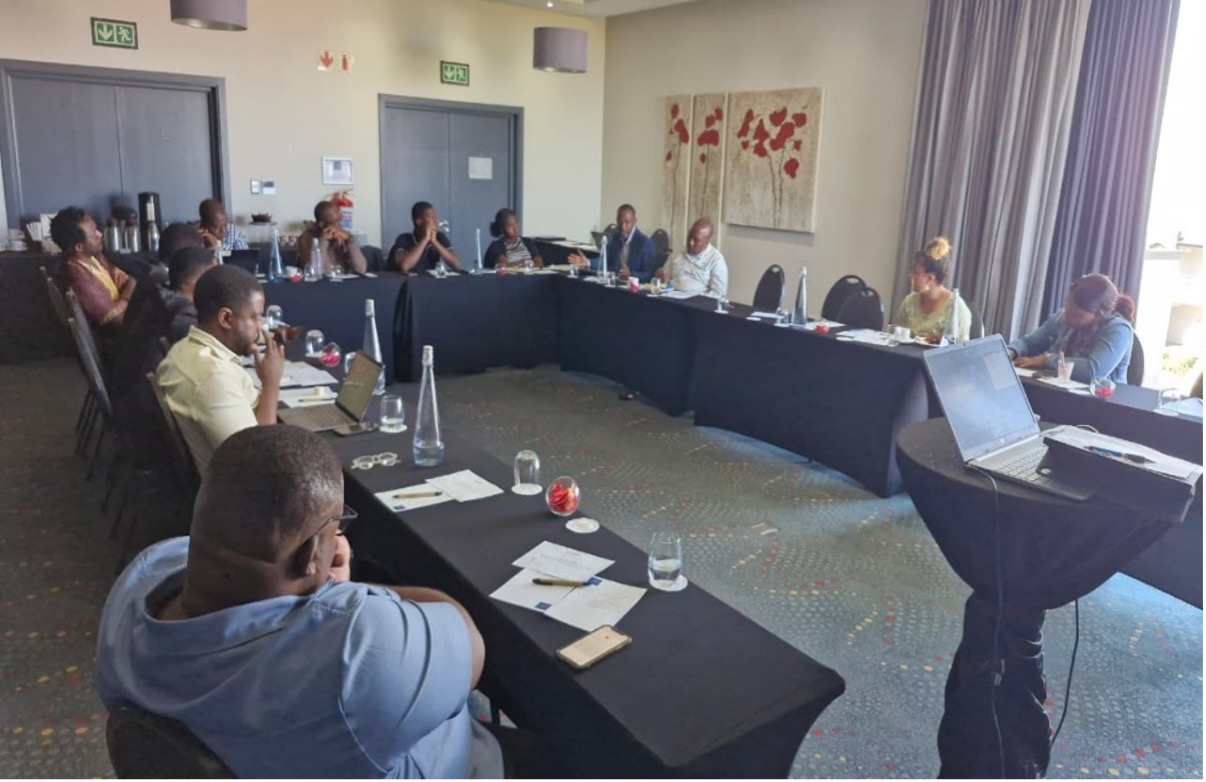
The policy forum brought together representatives from a wide range of organisations in Cape Town, underscoring the cross-sectoral complexity of migration and food security challenges. Attendees included the MiFOOD Network research team, researchers and graduate students from the University of the Western Cape, research participants from migrant communities, and leaders, staff or representatives from the Scalabrini Institute for Human Mobility in Africa (SIHMA), the Somali Association of South Africa (SASA), and Africa Unite. Attendees actively engaged in discussions on the relationship between the COVID-19 pandemic and food insecurity among migrant communities, and in roundtable policy dialogues that identified gaps and formulated recommendations to improve governance of migration and food security. Drawing on their direct experience with migrant communities and food system stakeholders, these contributions helped translate research findings into actionable policy recommendations and measures.
Lived Experiences and Precarious Circumstances
The study conducted in Cape Town, South Africa, provides a comprehensive account of how migrant and refugee households manage food insecurity under precarious conditions. Utilising surveys, interviews, and photovoice projects with participants from Zimbabwean, Somali, and Congolese communities, the research highlights pre-existing vulnerabilities and challenges that were exacerbated by the COVID-19 pandemic. The findings indicate widespread food insecurity associated with rising food prices, inflation, unemployment, job losses, low incomes, poverty, structural inequality, and exclusion from social protection and government support. Further pressures include xenophobia, restrictive immigration policies, and limited access to healthcare, housing, legal protection, and essential services.
The study further identifies the burden of remittances and the gendered dimensions of these challenges. Women, particularly female-headed households, were disproportionately affected and faced greater obstacles in maintaining consistent access to food, caregiving and meeting substantial remittance obligations. The enforcement of lockdown measures involved large-scale deployment of police and military personnel, resulting in instances of brutality and excessive force that effectively militarised public health governance. These enforcement practices disproportionately targeted poor and migrant communities. Zimbabwean migrants were particularly impacted by border closures and mobility restrictions, which disrupted the flow of cultural and traditional foods as well as cross-border food networks.
Despite considerable adversity, migrants exhibited notable resilience and adopted a range of coping strategies. Mutual aid within closely connected community groups, including borrowing food or money from relatives and friends, delaying rent payments, and prioritising food purchases over other essential needs, proved essential. The distribution of food parcels by churches, NGOs, and community associations was identified as vital, making community-led responses a cornerstone of survival. The research underscores the significance of social capital and informal networks. Additional coping mechanisms included shopping at lower-cost stores, reducing meal sizes and frequency (such as shifting from three meals a day to two or one), and relying on less-preferred, lower-cost food items. Many participants reported eating only in the evenings or skipping meals entirely. Several migrants described consuming smaller portions and foods they disliked. Diets became less diverse and, in many cases, less nutritious, with increased reliance on high-starch, calorie-dense foods to maximise limited resources.



Policy Forum Dialogue and Recommendations
Following the research presentations, attendees divided into two roundtable groups to examine topics such as COVID-19 responses, public health measures and their impact on migrants, food insecurity, pre-pandemic and pandemic food precarity, relief efforts and policy design, gendered experiences, migrant rights and human rights, the informal food economy, coping strategies, and the formulation of inclusive, migrant-sensitive crisis response policies and frameworks. The groups also considered the influence of community networks and cross-sector partnerships on governance. These discussions generated practical, experience-based insights informed by the diverse institutional representation. Attendees underscored that barriers to food access and broader structural constraints primarily determine migrant food insecurity in South Africa. These include exclusion from formal safety nets and social and economic relief programs; poverty and inequality; exploitation; unemployment; low and irregular income; high food prices; and food shortages. Attendees further stressed the necessity for public health measures and policies that prioritise informing the public about the health implications of the pandemic, rather than intimidating or using force against lockdown offenders.
Attendees recommended enhancing communication and transparency, strengthening human rights enforcement, improving legal protections, and developing inclusive policies that incorporate streamlined processes and ensure migrants’ access to social and economic relief grants, including for undocumented individuals. The promotion of decentralised decision-making was highlighted, with an emphasis on empowering provincial and municipal governments to play a more significant role in policy formulation and implementation. This approach aims to address local needs and ensure that local perspectives inform national policies, thereby improving crisis management. Additional recommendations included supporting local food systems across both formal and informal sectors to ensure the availability and accessibility of affordable, nutritious food.
Attendees recommended supporting the informal sector through targeted assistance, including access to permits, credit, and resources, recognising its essential role for low-income and migrant households. Policies should promote the sustainability, growth, and capacity of the informal sector to deliver essential services during crises. The discussions also emphasised the significant contributions of NGOs, migrant networks, migrant businesses, solidarity initiatives, faith-based organisations, Community Action Networks, and civil society, and highlighted the importance of increased collaboration with governments, policymakers, and community networks. Attendees identified the need for supportive policies and regulations, particularly regarding the critical role of informal and formal remittance services, including transport carriers, financial technology (Fintech), and digital mobile technologies, in facilitating cash and in-kind transfers such as food remittances, which are vital for recipients’ food security. Attendees advocated for evidence-based policies and identified a need for further research.


Way Forward and Continuing Collaboration
The MiFOOD Network and affiliated researchers will continue to produce policy and research briefs, policy audits, working papers, photo-voice studies, and peer-reviewed publications, including journal articles, book chapters, and books. Research teams will maintain collaboration with local partners through targeted briefings, data sharing, and joint initiatives to ensure that findings from the Cape Town study inform South Africa’s ongoing post-pandemic recovery.
The policy forum emphasised that food insecurity is influenced by a range of factors beyond food availability, including food access issues, rising food prices, inflation, unemployment, job losses, low incomes, poverty, systemic inequality, exclusion from social protection or government support, xenophobia, restrictive immigration policies, and limited access to healthcare, housing, legal protection, and essential services, as well as remittance obligations and gendered impacts. As South Africa’s immigrant population continues to grow and diversify, supporting migrant households is critical for building an inclusive and resilient food system and for effective migration governance.
The event demonstrated significant cross-sector expertise and a collective commitment to developing policies that reflect the lived experiences of migrants and refugees. Although substantial challenges remain, the policy forum showed that Cape Town and South Africa possess the knowledge, partnerships, and commitment necessary to drive meaningful and lasting change.
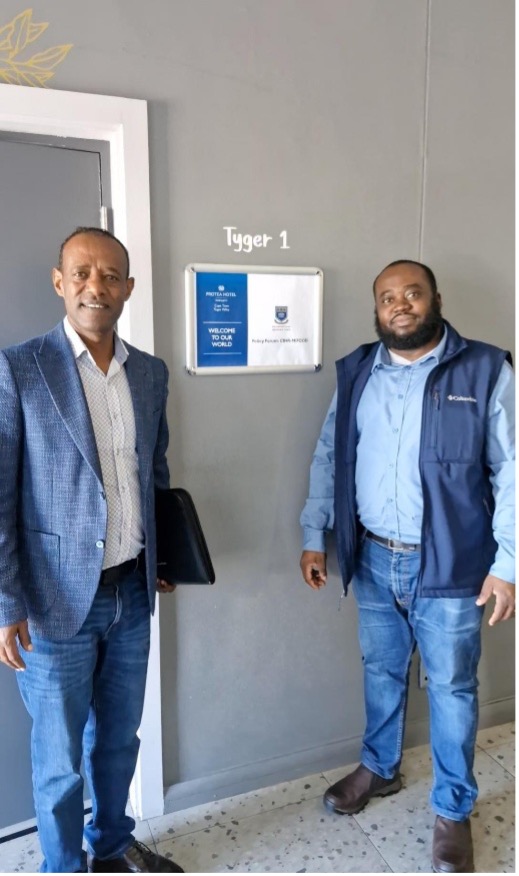
Photo credit: All images by Dr Sean Sithole.